The local tourism industry, once hailed as the country’s third-largest foreign exchange earner, is under scrutiny for the reliability of its earnings data, with experts warning that flawed accounting methods are distorting the true picture of the sector’s performance.
According to the Sri Lanka Tourism Alliance, current tourism earnings remain “clouded by flawed calculations,” with official estimates still based on a 2018 survey by the Sri Lanka Tourism Development Authority (SLTDA).
The survey of roughly 5,000 departing tourists was used to extrapolate national revenue figures using self-reported spending and length-of-stay data.
“The oft-quoted US$ 170–180 per person, per day estimate came from this quick airport survey. It’s not hard data, it’s a guesstimate. Tourists misremember details, informal spending is invisible, and we risk double-counting,” the Alliance pointed out. It went on to note that many organisations continue to rely on these outdated numbers for policy, investment, and marketing decisions. This practice could mislead stakeholders and obscure real economic trends, it warned.
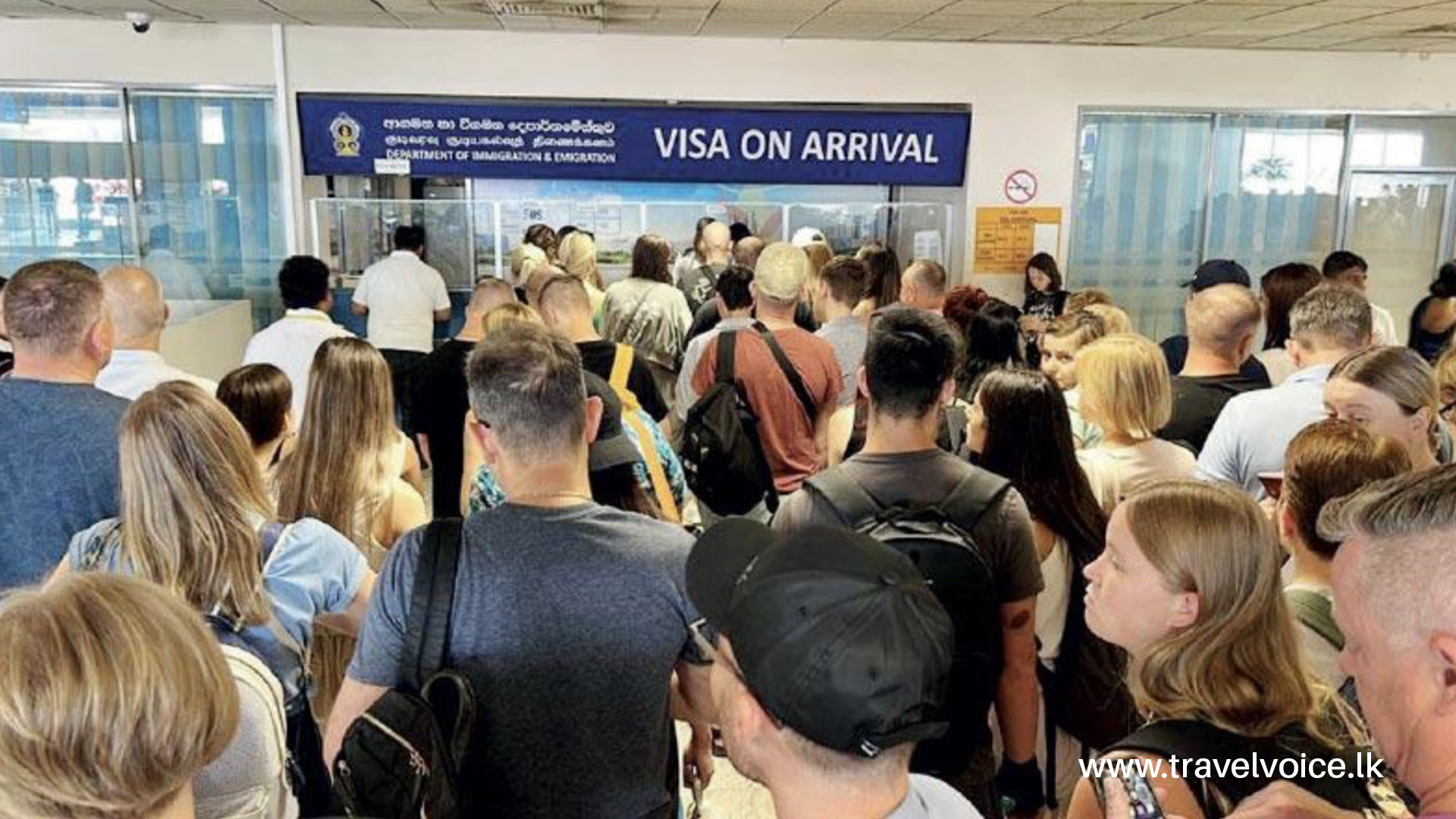
Recent data published by the Central Bank shows the problem’s real-world impact. Tourism earnings in September 2025 (latest available data) were largely unchanged at US$ 182.9 million from a year earlier, despite a sharp increase in visitor arrivals. The muted growth in revenue, despite higher arrivals indicate weaker spending or changes in traveller profiles.
To address this issue, the Alliance called for a shift towards a modern tourism accounting framework aligned with global best practices, such as Singapore’s Tourism Satellite Account (TSA) model. “We should move towards a system that collects monthly data from hotels, flights, banks, attractions, and telcos, consolidating it into TSA-compliant national accounts,” it said.
In Singapore, hotel performance data, retail transactions, and flight records are integrated to produce real-time insights for policymakers and investors. Sri Lanka, could achieve the same by bringing in independent expertise from firms such as KPMG or Ernst & Young to design and certify a credible framework, the Alliance said.
“We can’t manage what we can’t measure. The airport questionnaires were a starting point. It must not be our strategy. Let’s build a defensible, STR-informed accounting framework that tells us what our tourism economy is truly worth, because Sri Lanka’s tourism industry deserves more than a guess.”
Sri Lanka earned US$ 3.17 billion from tourism in 2024 and aims to generate US$ 10 billion by 2030. (SAA)