- Tourism Ministry confirms government’s determination to push new legal framework through, citing need to resolve ongoing bureaucratic bottlenecks
- Industry leaders caution that drafting, debating and passing an entirely new law could take years, plunging sector into a prolonged period of regulatory limbo
Despite the mounting resistance from the hoteliers and key tourism stakeholders, the government is forging ahead with the plans to repeal and replace the existing Tourism Act, establishing a special presidential task force to execute the sweeping legislative overhaul.
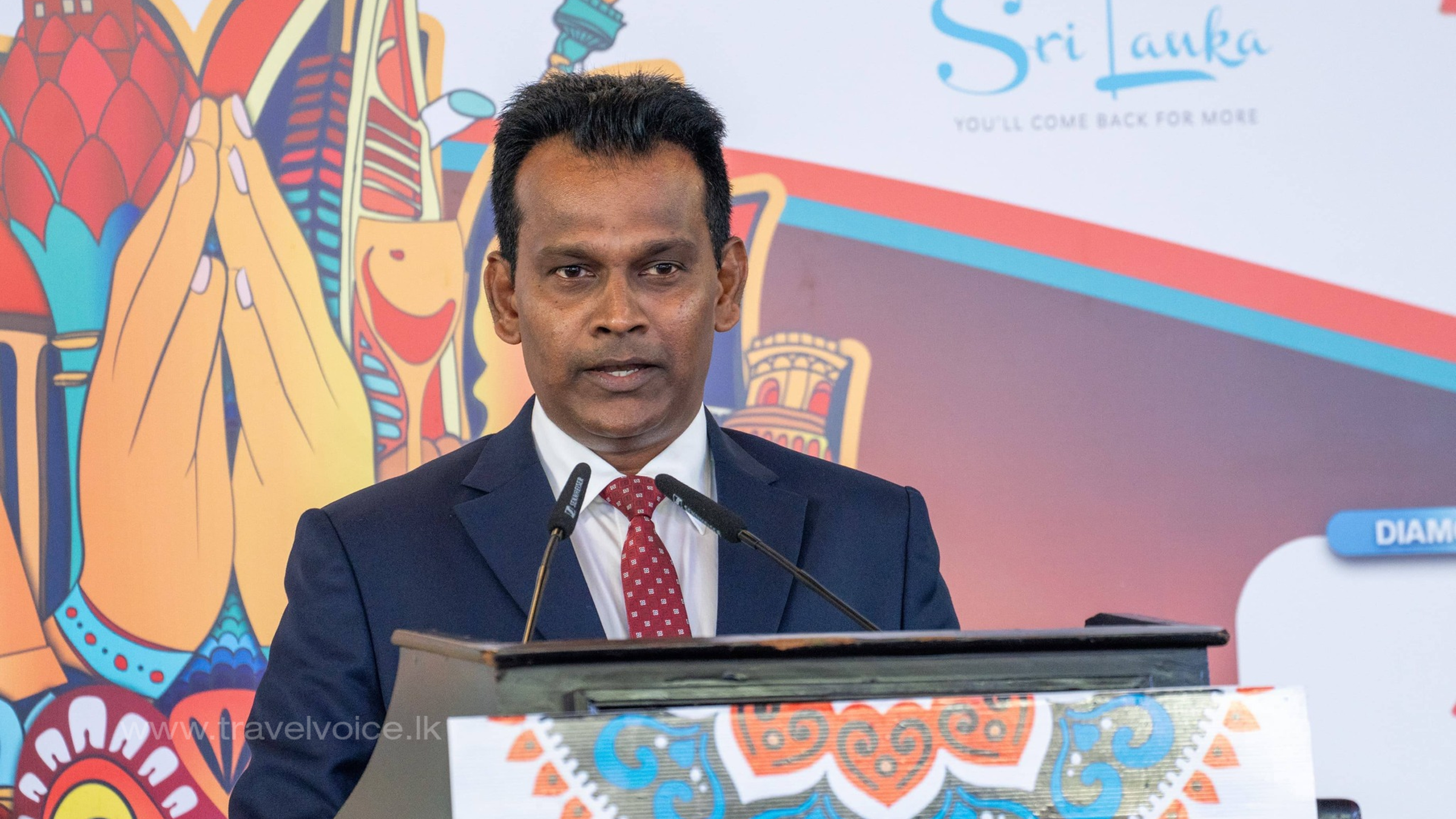
Tourism Deputy Minister Prof. Ruwan Ranasinghe confirmed the government’s determination to push the new legal framework through, citing the need to resolve the ongoing bureaucratic bottlenecks.
“Regarding the Tourism Act, the government’s stance is that we fully understand this industry is run by the private sector,” he said, addressing the 13th Sancharaka Udawa exhibition in Colombo.
To address the pushback and finalise the legislation, the state is relying on top-level intervention.
“We have faced administrative and decision-making challenges, which is why we set up a presidential task force,” Prof. Ranasinghe explained.
“We are in consultation with the industry leaders, legal consultants and professionals to repeal the Tourism Act, entirely in consultation with the industry. This will make the industry efficient itself.”
However, the government’s assurances of efficiency have done little to quell the deep-seated concerns of the private sector.
The Hotels Association of Sri Lanka and other prominent industry bodies vehemently oppose the full repeal of the existing Tourism Act. They argue that the current framework deliberately separated regulation, marketing and training into independent institutions to prevent political interference and ensure professional, agile management.
The stakeholders warn that the government’s proposed move to consolidate these entities under a single authority will recreate a bloated, civil service-style bureaucracy that lacks the operational speed needed to compete with the aggressive regional destinations.
A primary point of contention remains the control and transparency of the Tourism Development Fund. The hoteliers fear that an amalgamated central authority will dilute crucial private sector representation on decision-making boards and jeopardise the transparent management of promotional funds.
The funds are directly generated through the one percent turnover tax levied on their business operations and the industry maintains that it must retain a strong statutory voice in how that revenue is reinvested into destination marketing.
Furthermore, the industry leaders caution that drafting, debating and passing an entirely new law could take years, plunging the sector into a prolonged period of regulatory limbo.
For an industry currently navigating external geopolitical shocks and striving to hit an ambitious national target of five million arrivals and US $ 10 billion in revenue by 2030, the stakeholders stress that the immediate focus should be on aggressive global marketing and refining the current law, rather than dismantling it altogether.
Despite the fierce objections, the government appears resolute in its mandate to overhaul the structural foundations of Sri Lanka’s tourism sector.