On the Reopening and Strategic Future of the UNESCO World Heritage Riverston
Tourism Zone
Q: What is the current status of Riverston?
 I am very pleased to confirm that Riverston is now fully open for tourism. From the outset, KTC worked closely with the Government Agent of Matale, Mr. Prasanna Madanayakeand his dedicated team, the NBRO, Forest Department, RDA, Sri Lanka Army, political leadership, and other authorities to carefully assess the situation and restore access safely. We are deeply grateful to the GA Matale, NBRO, Forest Department, and the Sri Lanka Army for their swift and coordinated action to restore access roads and reopen the area in a very short period of time. Riverston is part of a UNESCO World Heritage site,
and reopening required scientific validation and careful environmental consideration. The
NBRO has now cleared the area, and tourism activities have resumed safely.
Q: What regulations are now in place?
To protect the fragile ecosystem and ensure road safety, 2-door buses and heavy vehicles
are not allowed between Rattota and Pitawala. This is an important first step in regulating
tourism. Regulation ensures safety, protects nature, and lays the foundation for
sustainable, high-quality tourism development.
Q: How important is Riverston for the future of Sri Lanka tourism?
Sri Lanka tourism is in urgent need of new destinations and new experiences. Many
current destinations face overcrowding, and travelers are increasingly seeking authentic,
nature-based, and meaningful experiences. Riverston is strategically located between the
Kandy-Dambulla and Ella-Dambulla tourism corridors, making it ideal to integrate into
existing travel routes while offering something completely unique. As KTC, we are actively
engaging with authorities to meet this national requirement. The first step is regulation,
followed by careful development of infrastructure and high-quality experiences.
Q: What new tourism experiences are being developed?
In collaboration with the Forest Department, KTC is introducing high-end tourism offerings
such as Forest Bathing and Stargazing. Riverston’s pristine forests and low light pollution
provide ideal conditions for these premium experiences. We are also uncovering and
restoring ancient footpaths used during the Kandyan Kingdom and Colonial era. These
routes will form a trekking network throughout the Knuckles range, offering an experience
even more scenic and historically meaningful than the Pekoe Trail. This initiative will
preserve heritage, protect nature, and create sustainable opportunities for local
communities.
Q: What makes Riverston globally unique?
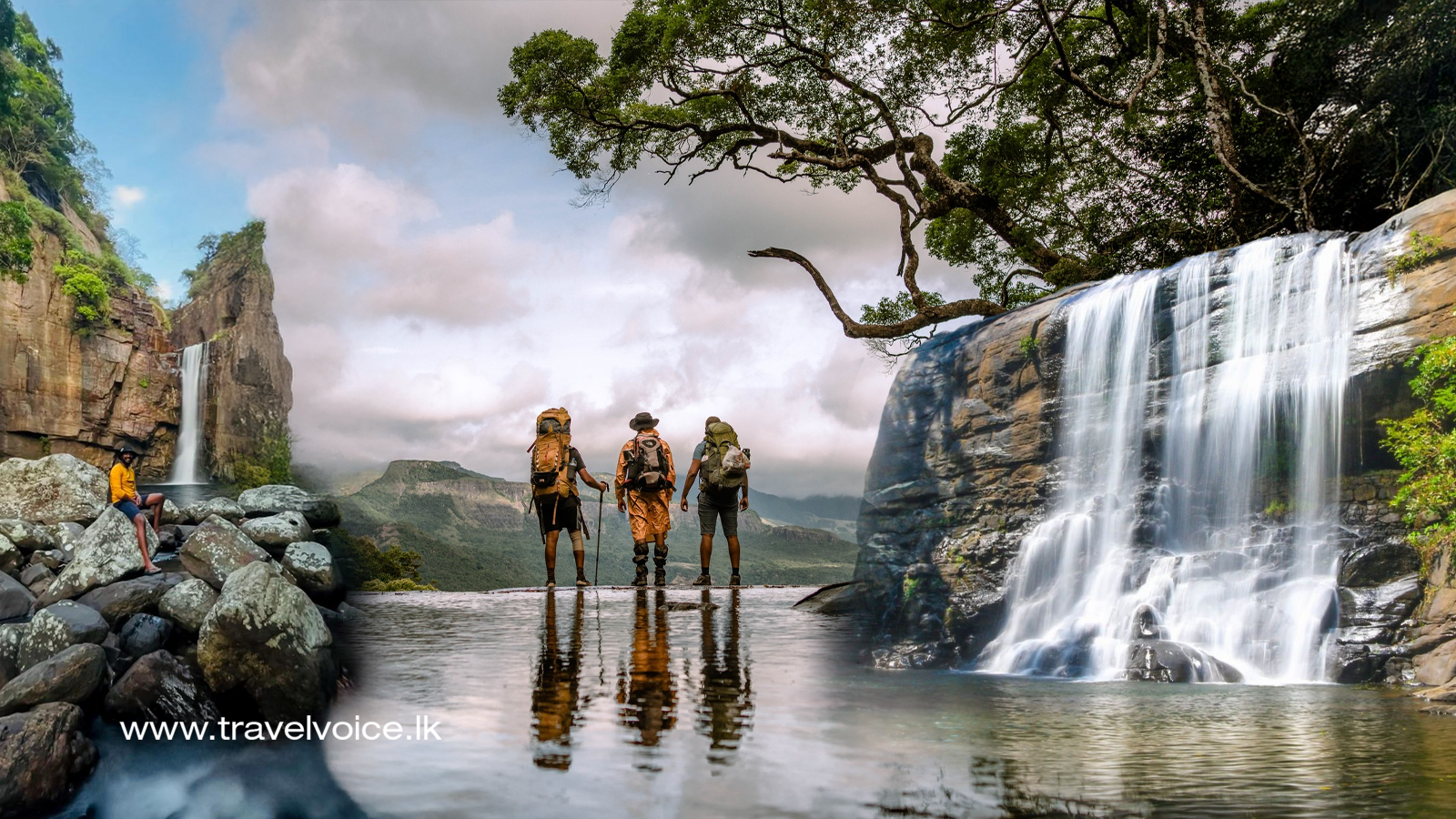
Riverston is part of the Knuckles UNESCO World Heritage site, recognized for both
Natural and Cultural value. This makes it unique. For example, Sinharaja is recognized
primarily for nature, and Sigiriya for culture, but the Knuckles range represents both. This
combination of biodiversity, cultural heritage, historic pathways, traditional farming
communities, waterfalls, plains, and diverse ecosystems makes Riverston one of the most
exceptional destinations in the world.
Q: What is your message to visitors?
Riverston is open, safe, and ready to welcome visitors again. We invite travelers seeking
authentic and meaningful experiences to discover Riverston – a destination that
represents the future of sustainable, high-end tourism in Sri Lanka.