With no letting up in the Middle East conflict, authorities in Sri Lanka will be looking at alternative markets and diverse approaches to pitch the country and keep tourism on track.
Sri Lanka has already seen an 18 percent drop in tourist arrivals, the equivalent of a monetary value of US$ 40 million, between March 1 to15.
The Middle East is an aviation super hub for around 300,000 travellers flying the sky between Europe and Asia every day and a transit node for travellers to Sri Lanka from major source destinations in Europe and the Asia-Pacific. While international aviation industry analysts point to a near 50 percent drop in the number of passengers going through the Middle East hubs in some cases, their modelling forecasts a reduction of between 11 to 27 percent in 2026 if the conflict becomes protracted.
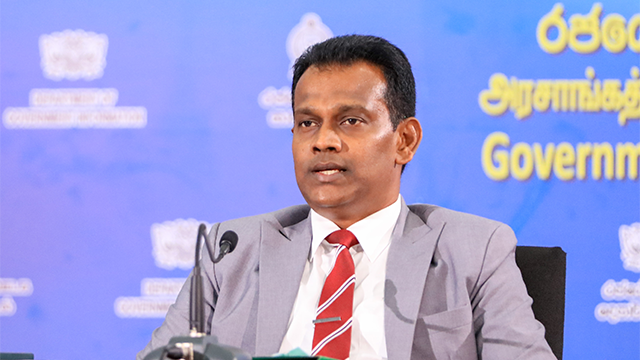
‘We used to have around 8,500 daily tourist arrivals in December, January and February,’ Deputy Tourism Minister Ruwan Ranasinghe said.‘Now it’s averaging at around 6,500 to 7,500’.
The tourism authorities, driven by the Sri Lanka Tourism Development Authority, Sri Lanka Tourism Promotion Bureau with the support of the Sri Lanka Convention Bureau, are confident they will be able to squeeze this deficit to 15 percent by plugging into the vacuum from the war in the Middle East.
According to Ranasinghe, Sri Lanka is trying to mitigate the drop with alternative campaigns, especially targeting the Asia-Pacific region.
Key among these will be the thrust to divert the MICE demand in India to Sri Lanka. While Dubai used to be a chosen destination for MICE before the war broke out, with the conflict ongoing, the feasibility of its continuance has become questionable at least in the short to medium term. The Sri Lankan authorities are planning a series of road shows in Kolkata, Chennai and Ahemedabad in the coming weeks to target the demand for MICE in India boosted by the introduction of daily flights between Colombo and Ahmedabad.
The authorities have also earmarked wedding shows in India to entice them with Sri Lanka as a host destination.
In a bid to partner with professional associations in other countries, tourism authorities plan to leverage networking sessions with the Organisation of Professional Associations in areas such as wellness and health, to partner with similar associations in other countries. ‘We are looking to bring large groups from China through association to association collaborations rather than B to B’, Ranasinghe explained.
For long, Sri Lanka’s reputation as the cradle of Theravada Buddhism and the place where Buddhism took root outside India, has attracted Buddhists and spiritual tourists from around the world. The authorities now want to actively promote the country as a destination for religious tourism in Thailand and Singapore in the Far East.
‘We continue to promote Sri Lanka even amidst the current challenges’, assures Ranasinghe.‘ We are also eyeing markets in Australia and New Zealand’.